Two companies grow sales 10% a year. One sends most of its cash back to its owners. The other spends nearly all of it to keep growing. On a revenue chart they look identical.
So the question to ask about growth is how much cash a business has to put back in just to keep it going. Munger, on the same question:
“It’s fairly simple, but it’s not so simple it can all be explained in one sentence.”
— Charlie Munger, Berkshire Hathaway annual meeting, 1994
Buffett’s point was practical. Some businesses grow and need little extra capital, so the cash can go to dividends, debt, buybacks or the next opportunity. Others consume almost everything they earn to fund that growth, and look impressive on a chart while leaving little behind. He put it as a choice between two savings accounts:
“If you’re going to put a million dollars in a savings account, would you rather have something that paid you 10 percent a year and never changed, or would you rather have something that paid you 2 percent a year and increased at 10 percent a year?”
— Warren Buffett, Berkshire Hathaway annual meeting, 1994
Two companies, same growth
Company A sells a product people already know and trust. It grows by selling more through the brand, software, stores or distribution it already has, and needs a bit more inventory and marketing to do it.
Company B has to build factories, buy equipment, hire heavily, carry more inventory or borrow every time it wants to grow.
Both report 10%. Their economics have almost nothing in common.
| Company A | Company B | |
|---|---|---|
| Revenue growth | 10% | 10% |
| Cash needed to support growth | Low | High |
| Cash left after investment | High | Low |
| Ability to repay debt, buy back shares, or pay dividends | Strong | Limited |
| What growth feels like to an owner | A cash machine | A hungry machine |
Revenue growth, the headline number, won’t tell you which one is better.
The simple test
Instead of stopping at “how fast is it growing?”, ask:
- Does the company turn profits into real cash?
- How much cash must it reinvest to grow?
- Does each new dollar invested earn an attractive return?
- Are shareholders getting more cash per share, or just more shares outstanding?
- Is the market already charging too much for those future cash flows?
None of these needs a forecast. They’re questions about the business you can answer from its filings.
Four business patterns
FatPitches sorts companies into four broad patterns. They’re where research starts, and none of them is a buy or sell signal.
1. Compounder
A compounder earns high returns on the money it puts back into the business. It grows without constantly borrowing, issuing shares or pouring every dollar into equipment, so over time it produces more cash per share while it expands.

The signs: steady free cash flow, high returns on capital over many years, rising free cash flow per share, and growth that doesn’t need new shares or a rebuild of the business every year.
See’s Candies is the classic case. Berkshire bought it in 1972, and Buffett later explained that it grew a lot while needing little additional capital. Nobody should take that as advice to buy candy companies. Look for businesses where growth doesn’t eat the cash it creates.
2. Cash cow
A cash cow may barely grow, and that can be fine.

If a stable business needs little upkeep and throws off dependable surplus cash, its owners can use that cash for dividends, debt reduction, buybacks or better investments elsewhere. Think of a paid-off rental apartment that sends its owner a check every month after repairs. It won’t double in size, and the checks are still worth something.
The signs: stable or slowly growing revenue, consistent free cash flow, modest maintenance spending, sensible debt. Bought at the right price, a slow cash cow can beat an exciting grower.
3. Capital hog
A capital hog grows, but it needs an endless meal of cash to do it. Revenue may rise quickly, and so may the stock price for a while, while the company keeps paying for factories, equipment, inventory, warehouses, stores, acquisitions or debt at every step.
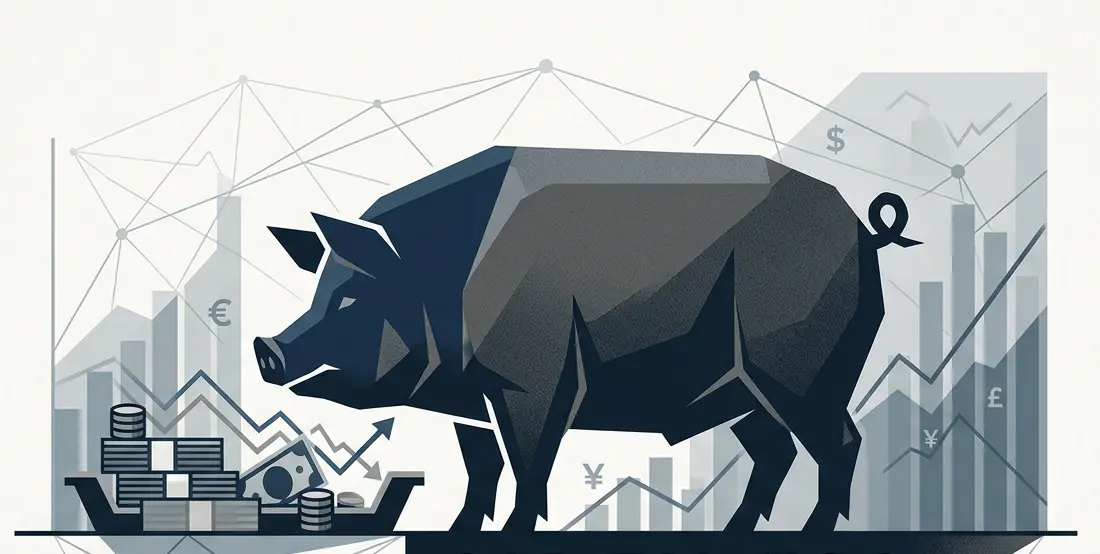
That doesn’t make it a bad business. Infrastructure-heavy industries are necessary and can be investable, as long as you remember the growth isn’t free. Watch for revenue rising faster than free cash flow, heavy expansion spending year after year, big working-capital needs, more debt or more shares to fund it, and weak cash generation despite strong reported earnings. Then ask whether all that spending earns strong returns over time.
4. Value-trap risk
A value trap looks cheap because its current cash flow or earnings look high. The market may be correctly pricing a decline.
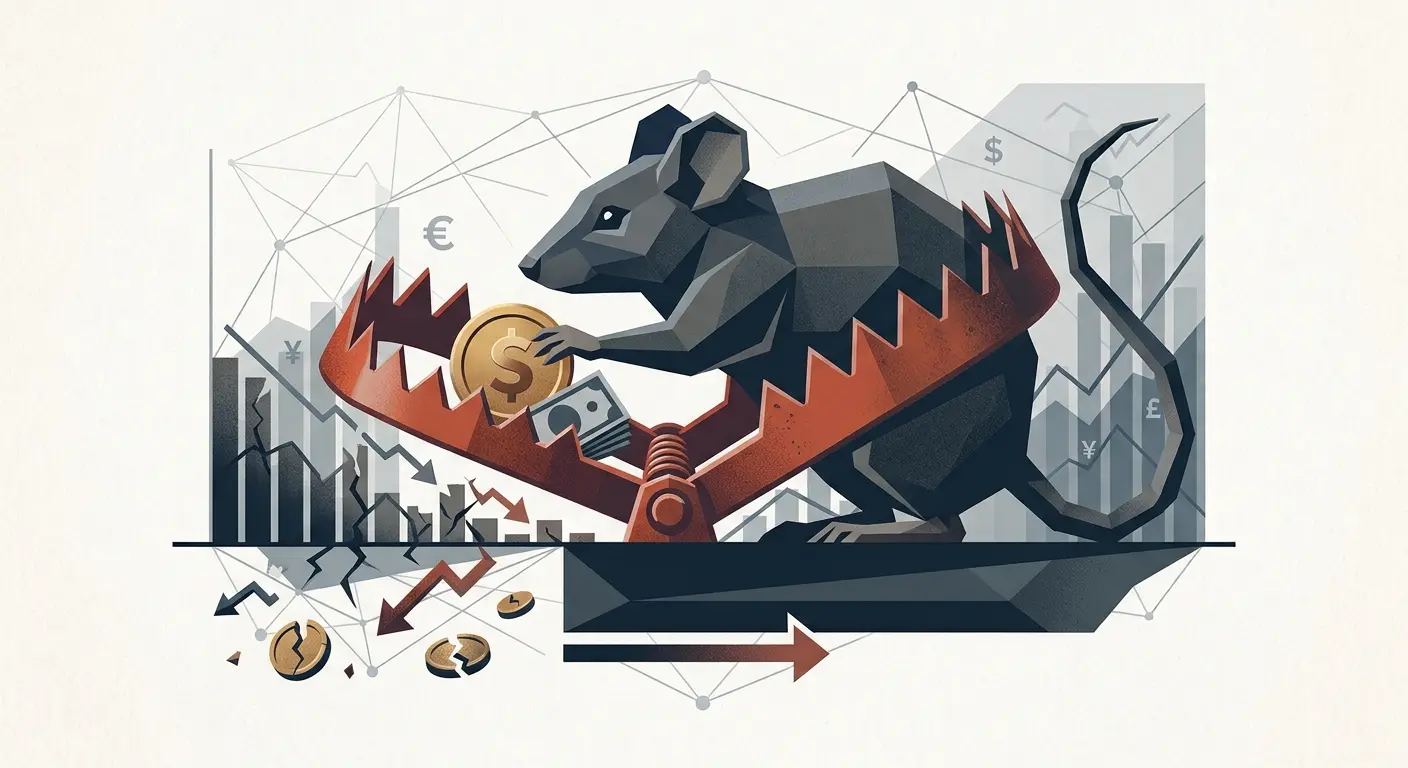
Customers may be leaving, the advantage weakening, debt rising, or the business needing more spending just to stand still. The signs: falling sales or market share, falling returns on capital, debt growing faster than cash flow, a dividend paid with borrowed money or asset sales, free cash flow that drops once necessary spending returns, and management promising a turnaround without evidence.
Free cash flow, in plain English
Free cash flow is the cash a company has left after paying the bills and making the investments needed to run the business. A rough version:
− spending on equipment, buildings, technology, and other long-lived assets
= Free Cash Flow (FCF)
It’s imperfect. Some of that spending is for growth and not maintenance, and some businesses have odd cash cycles. But you own the cash a business can produce and distribute, so it’s the place to start.
A quick checklist
Before getting excited about growth, check five things. Is revenue growing, stable or shrinking? Is free cash flow consistent? Is free cash flow per share rising, or is dilution eating it? Can normal cash generation handle the debt? And does growth need a small slice of the cash, or nearly all of it?
You don’t need every ratio on day one. Start by watching how growth and cash move together.
What growth is worth in the price
A stock isn’t worth more just because the company grows faster. Growth deserves a premium only when the company can reinvest at attractive returns and still leave something for its owners. Otherwise it’s a treadmill: more sales, more spending, more capital, and not much more cash for shareholders.
So compare two numbers. What cash will this business likely produce for its owners, and what price are you being asked to pay for it? The gap between them is where judgment starts.
What FatPitches shows
FatPitches puts the pattern under the growth headline on screen: a compounder turning growth into owner cash, a cash cow producing more cash than the market gives it credit for, a capital hog that needs constant funding to keep moving, or a value-trap risk where a low valuation may be warning you about a weakening business. No single metric settles which one you’re looking at, and once you ask, a lot of great growth stories read differently.
The four patterns are one question about durability, the same question behind what business quality actually means: a narrow dispersion of outcomes rather than a high growth rate. Durability gets judged before price, which is why it sits early in the seven steps before you buy.
FatPitches sorts each company you research into one of these four patterns. Research 10 companies free, for life.